
Your Guide to GHS Hazardous Chemical Labels
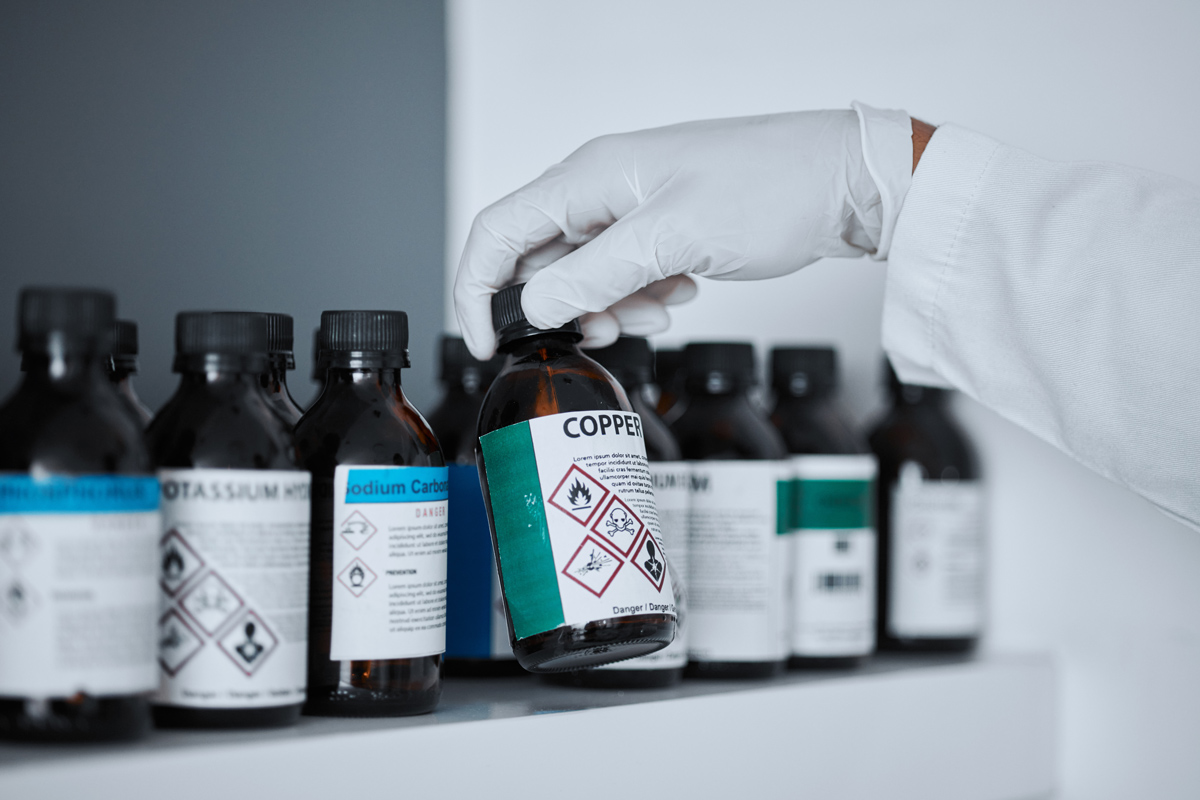
Is your company handling harmful chemicals or industrial chemical containers? Safety is the number one priority in industrial applications and chemical handling. For businesses dealing with these products, responsible chemical label protocol is imperative to ensure the safety of all personnel.
What is GHS Labeling?
The Globally Harmonized System of Classification (GHS) is a standardized labeling system adopted by the UN for all chemical products. In 2003, the United Nations adopted the GHS, which includes criteria for the classification of health, physical, and environmental hazards.
The system specifies what information should be included on labels of hazardous chemicals as well as safety data sheets.
Why Is This Practice Crucial?
For anyone handling chemicals, knowing how to designate GHS labels properly is important. It guides teams on how to use chemicals safely and avoid hazards associated with dangerous and corrosive substances. In emergencies, users are aware of appropriate response plans.
People of all ages and backgrounds, speaking different languages, are daily confronted with dangerous products. Standardized labeling ensures everyone can understand the hazards.
Benefits of GHS Compliance
Improved Communication
Standardized labeling makes communication easier among stakeholders, especially across borders where language may be a barrier.
Legal Compliance
Meeting GHS labeling regulations ensures compliance with legal frameworks, protecting businesses against fines and penalties.
Risk Mitigation
Comprehensive hazard information enables effective risk assessment and management plans.
Global Compliance
GHS labels are global standards, ensuring more trade opportunities and cooperation across borders.
Safety
Correctly labeled chemicals reduce the chances of workplace accidents.
Understanding GHS Guidelines and Symbols
GHS chemical labels typically feature:
- Pictograms - Illustrate hazards
- Signal words - Indicate severity (“Danger” or “Warning”)
- Hazard statements - Describe the hazard
- Precautionary statements - Provide safety guidance
GHS Pictograms
GHS has nine pictograms used to warn users about chemical hazards. They must be:
- Printed on a white background
- Have a red, diamond-framed border
- Copied exactly as specified
Six Required Label Elements
1. Signal Word
Explains the intensity of health hazard:
- Danger - Severe hazards
- Warning - Less severe hazards
2. Pictograms
Universally readable symbols specifying hazards. Labels can contain multiple symbols depending on the chemicals.
3. Hazard Statements
Signify the magnitude of danger and symptoms that may occur upon contact.
4. Product Identifier
Identifies the dangerous chemical or ingredient. Often placed in the top left-hand corner with the chemical’s name.
5. Precautionary Statements
Inform users how to reduce harmful effects through careful use, including:
- Storage instructions
- Prevention measures
- Appropriate response
- Disposal guidance
6. Supplier Information
Manufacturer’s name, address, and contact details for emergencies.
Label Quality Requirements
Clarity and Legibility
Labels must be clear so people can access information easily.
Durability
Labels must tolerate harsh industrial conditions. Labels that chip or fade can be dangerous and create legal liability.
Accuracy
All information must be correct and current.
Best Practices for Chemical Labels
- Use durable, weather-resistant materials
- Ensure text is large enough to read easily
- Include all required GHS elements
- Test labels in actual use conditions
- Update labels when formulations change
- Train staff on label interpretation
Conclusion
Prioritizing GHS labeling in chemical handling is a commitment to safety, sustainability, and responsible business practices. By embracing standardized labeling protocols and partnering with experienced label professionals, you can safeguard your workforce, protect your bottom line, and demonstrate dedication to safety excellence.
Ready to Start Your Label Project?
Our team of experts is ready to help bring your vision to life.
Request a Quote