
What Is Flexible Packaging?
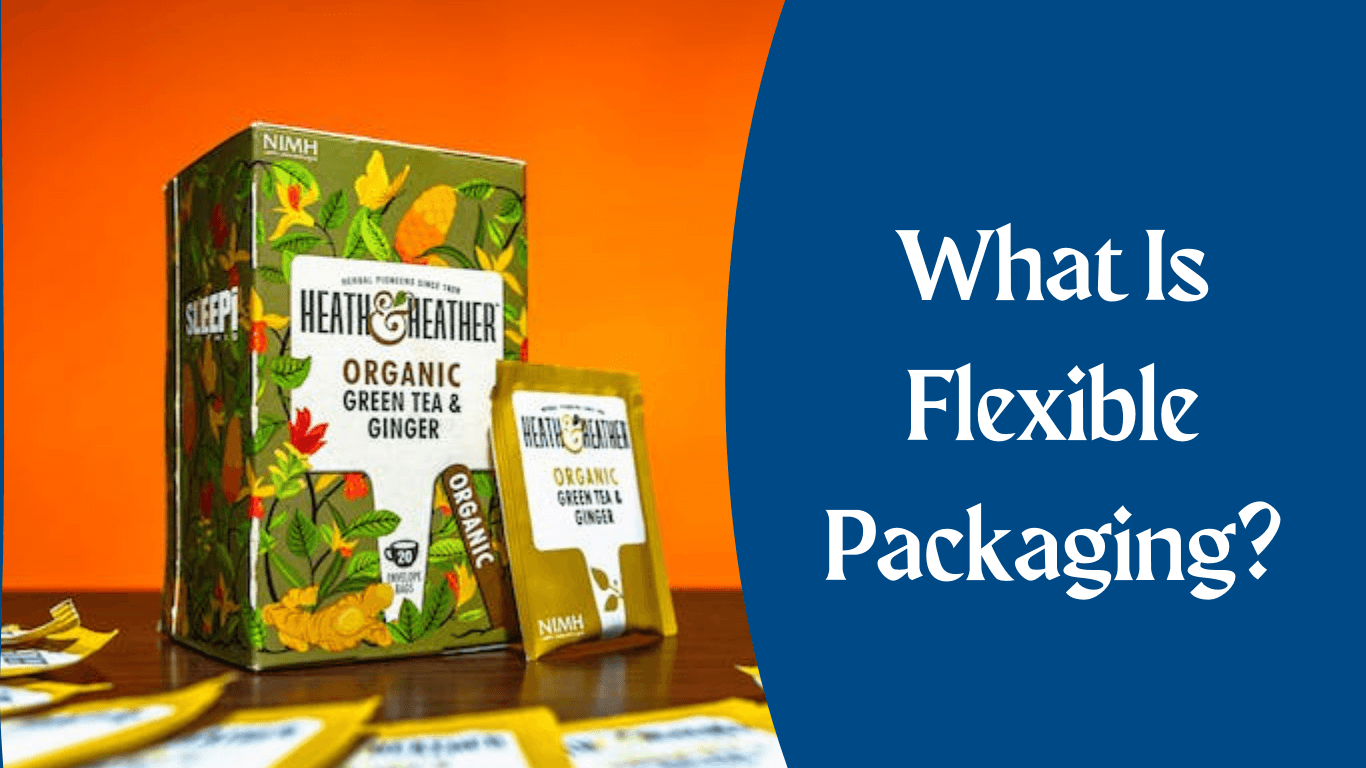
Packaging is one of the most critical aspects of product marketing. It helps companies deliver their products safely from factories to end consumers. However, packaging methods and materials have changed significantly over time, and what’s prominent now is flexible packaging.
Flexible packaging is a specialized type where you utilize non-rigid material to ensure higher customizability and make it more economical. One prominent feature that differentiates it from traditional packaging is its ability to be readily changed when put to specific use.
Materials Used in Flexible Packaging
With flexible packaging, not all materials from traditional packing methods can be used. The materials required are easily moldable and non-rigid:
- Paper - Recyclable and eco-friendly
- Plastic films - Durable and moisture-resistant
- Film - Flexible and customizable
- Aluminum foil - Excellent barrier properties
What Does Flexible Packaging Look Like?
Examples of flexible packaging end products include:
- Bags - Various sizes for different products
- Pouches - Stand-up and flat options
- Liners - Interior packaging protection
- Wraps - Product bundling and protection
- Roll stock - Unformed material for custom applications
Common Flexible Packaging Types
Sample Pouches - Small packets made of foil, heat-sealed to ensure safety and extended product life.
Sachets - Flat packs made of layered packaging material.
Printed Roll Stock - Unformed pouch material with brand information printed on it.
Stock Bags - Blank bags or pouches where you can add your own label.
Benefits of Flexible Packaging
Convenience
This packaging makes products easy to store, carry, and open. In most cases, it increases the lifespan of packed products for both manufacturers and consumers.
Sustainability
Paper and aluminum foil, widely used in flexible packaging, are recyclable materials. As customers shift towards sustainable products, such packaging attracts them more. They’re often willing to pay higher prices for sustainable options.
Easier Shipping and Handling
This packaging type is lighter in weight and flexible in dimensions, making handling, storing, and shipping easier. Associated costs decline significantly.
Extends Product Life
The packaging keeps UV rays, dust particles, and microorganisms away from the product. Even after opening, flexible packaging allows consumers to close the pack properly for later use.
Enhances Efficiency
Creation of flexible packaging requires less base material, and production time is lower than rigid alternatives. Overall efficiency is higher.
Customizable
Manufacturers enjoy more customizability with flexible packing. You can get alternatives depending on your products and innovative options for labeling, making your product unique compared to competitors.
Major Industries Using Flexible Packaging
Food and Beverage Industry
Pouches, sachets, and customized bags are major types used in this industry. The packaging protects food freshness and extends shelf life.
Cosmetics
Pouches, reusable bags, and paper bags are prominent ways of using flexible packaging for cosmetic products.
Cleaning Industry
Single-use detergent packets, sachets, and storage products benefit from flexible packaging formats.
Personal Care
Sample pouches, paper bags, and wraps are prominent in the personal care industry for products like lotions, shampoos, and body care items.
Conclusion
Flexible packaging offers numerous advantages for businesses serving various industries. If your product can fit in non-rigid packing, this may be an excellent option. You can still maintain strong branding with customized labels that help customers recognize your brand and form the right image.
Ready to Start Your Label Project?
Our team of experts is ready to help bring your vision to life.
Request a Quote