
Sustainable Label Design 101
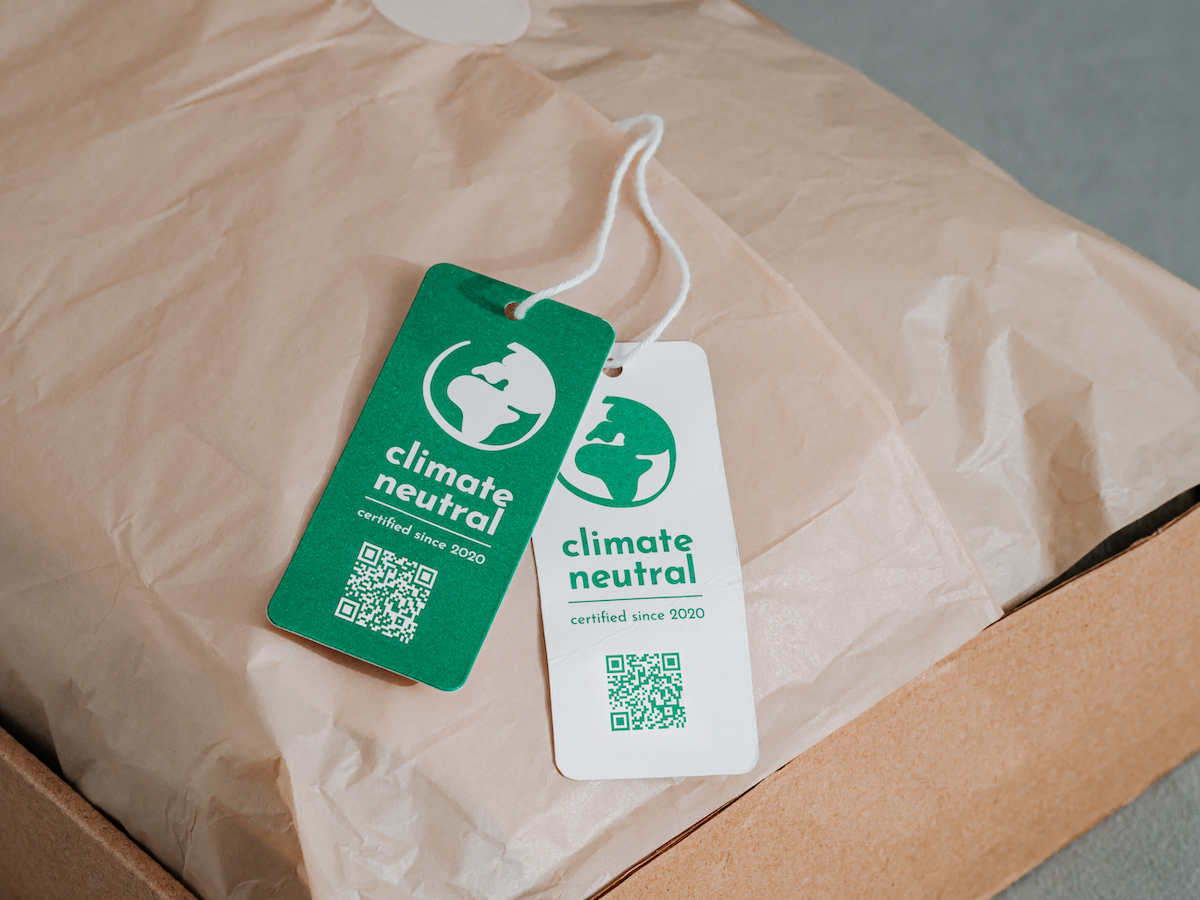
As the world continues to evolve and new technology emerges, our environmental footprint expands. Businesses across the globe have made it their duty to adopt sustainability practices in order to create eco-friendly brands that help the environment. Not only does it help their brand, but it helps their bottom line too.
Global Brands Leading in Sustainability
IKEA dedicated its entire business process to sustainability with a green strategy titled “People & Planet Positive” where IKEA aims to source materials from sustainable suppliers.
Apple signed a $1 billion deal to run its California headquarters, stores, data centers, and offices on solar energy.
TOMS has donated over 60 million shoes since 2006, and every TOMS shoebox and shoe is made with sustainable materials.
Aldi announced that 100% of its packaging would be reusable, recyclable, or compostable by 2025, with a reduction of packaging material across its entire product line of at least 15%.
The Rise of Environmentally Friendly Consumers
“Going green” or becoming eco-friendly not only helps the environment but can drive sales and brand recognition. Consumer statistics back this up:
- The global sustainable packaging market will exceed $400 billion in less than a decade, growing by 7.7% each year
- Among consumers willing to pay more for sustainability, 53% look for products with environmentally-friendly packaging
- The majority of American Gen Z consumers would pay a premium of 10% or more for sustainable products
- About 60% of consumers are more likely to buy from businesses that use green packaging
Key Components of Sustainable Label Design
Labeling is a key component of the packaging process and a great place to start when it comes to being environmentally friendly.
Minimalistic Approach
The smaller the label, the less waste. Be efficient with your label size and only include what’s necessary. Reduce the thickness of the label to decrease plastic waste—thinner labels are easier to recycle.
Wash-Off Adhesives
The adhesive used on non-sustainable labels can be counterproductive to the recycling process. Sustainable labels use wash-off adhesives that allow the label to be removed easily with water, helping the recycling process.
Sustainable Inks
Fresh and bold inks can liven up your label significantly, but certain inks and coatings can reduce sustainability. Solvent and petroleum-based inks can release volatile toxins into the environment.
Better alternatives include:
- Water-based inks
- Vegetable oil-based inks
- Soy-based inks
These options have a smaller environmental footprint while still delivering vibrant colors.
Sustainable Label Materials
The material that makes up a label can be sustainably sourced:
- Recycled paper - Made from post-consumer waste
- Tree-free label stock - Made from bamboo, sugarcane, or cotton
- Biodegradable films - Break down naturally over time
- FSC-certified materials - From responsibly managed forests
Sustainable Printing Practices
Beyond materials, the printing process itself can be made more sustainable:
Flexographic Printing
Modern flexographic equipment can be eco-friendly by using water-based inks for large orders, minimizing environmental impact and reducing toxins released into the air.
Label Inventory Management
Proper inventory management helps businesses maintain the correct amount of custom labels on hand, reducing unnecessary waste from overproduction.
Direct Thermal Printing
This method costs less to operate and is environmentally friendly since it doesn’t require ink ribbons or toner.
The Business Case for Sustainability
Adopting sustainable label practices offers multiple benefits:
- Brand differentiation - Stand out as an environmentally responsible company
- Customer loyalty - Appeal to eco-conscious consumers
- Cost savings - Reduce material usage and waste disposal costs
- Regulatory compliance - Stay ahead of environmental regulations
- Future-proofing - Prepare for evolving consumer expectations
Getting Started
Making your products more green and environmentally friendly starts with choosing the right label partner. Look for a printer with:
- Experience in sustainable materials
- Water-based ink capabilities
- Efficient printing processes that minimize waste
- Knowledge of eco-friendly adhesives and substrates
The transition to sustainable labels doesn’t have to happen overnight—even small changes can make a significant impact over time.
Ready to Start Your Label Project?
Our team of experts is ready to help bring your vision to life.
Request a Quote