
Protecting Labels and Stickers with Lamination
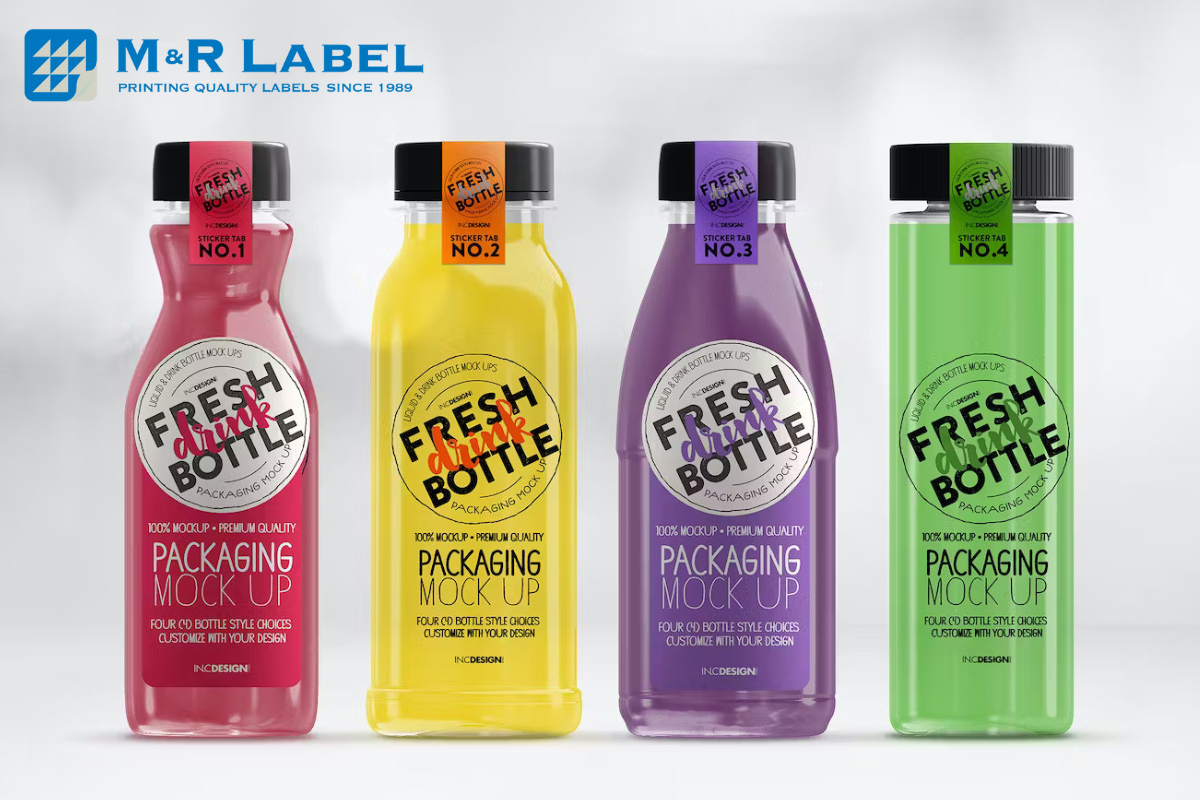
A custom label design helps you stand out from the rest of the products on the shelf. It enhances your visibility and brand image. The role of the custom label is even more important in e-commerce—your label and packaging are the first aspects of your branding that the customer interacts with physically. Hence, it needs to be perfect not only in design but also in quality and finish.
The importance of lamination and finish in labels cannot be overstated! They serve a wide variety of purposes, and ignoring them can lead to sloppy labels that tarnish your brand reputation and even hurt product sales.
What Happens If Labels Aren’t Laminated?
Here’s what can happen if you don’t properly laminate your labels:
- External damage - Uncoated stickers are prone to damage, reducing their lifespan
- Dirt accumulation - Uncoated labels attract dirt more than laminated ones, making them look untidy
- Moisture damage - Humidity can cause labels to blur, tear, smear, and become ineffective
- Peeling during shipping - Labels can get torn or start peeling during shipping and storage
- Fading - Labels fade when exposed to harsh sunlight and environmental factors
What Is Lamination and How Does It Work?
To laminate a label, a thin layer of transparent film is applied to its surface. The film is usually made of polypropylene, polyester, or vinyl, and protects your labels from various environmental conditions.
Lamination is beneficial for products and packaging exposed to chemicals, sunlight, moisture, and rough handling. It has applications across multiple industries from food and beverages to cosmetics to manufacturing and pharmaceuticals.
Laminates vs. Varnishes vs. UV Coatings
These terms are often used interchangeably, but they have different features and applications:
Laminates
- Long-lasting protection
- Add thickness and durability
- Physical layer applied to surface
Varnishes
- Enhanced appearance
- Moderate protection
- Glossy or matte finish
- Liquid coating
UV Coating
- Protection against UV exposure and abrasion
- High-gloss finish
- Ultraviolet light-cured coating
Types of Label Laminates
Various types of laminates meet different needs:
-
Tamper-evident laminate - Uses a destructible film that indicates if the product has been tampered with. Best for sensitive and pharmaceutical products.
-
Anti-scratch laminate - Resistant to scratches. Works well for electronic items and machinery.
-
Satin laminate - Semi-gloss finish used for a variety of labels across industries.
-
Matte laminate - Non-reflective finish making labels look more elegant. Works well for luxury products.
-
Gloss laminate - Shiny finish enhancing label appearance. Works well with labels that have brighter colors and images.
Benefits of Laminating Custom Labels
Durability
Laminated labels are more resistant to damage than unprotected labels. They can tolerate harsher conditions and last longer.
Enhanced Resistance
Laminated labels have greater resistance to moisture, sunlight, and chemicals.
Aesthetics
Lamination improves the overall appearance of labels, making them look more professional, trustworthy, and high-quality.
Regulatory Compliance
Some industries have labeling regulations that require information to remain intact. Laminating labels ensures they don’t get damaged or torn easily.
Consistency in Print Quality
Lamination protects the fine print and text on labels, ensuring they always look as fresh as when printed.
Easy Cleaning
Laminated labels don’t attract and accumulate dirt as easily, making them easier to maintain and clean.
Customization and Versatility
When laminating labels, you have many options. You can customize according to your business needs, making these labels versatile across applications.
Brand Reputation
Labels that last longer and remain eye-catching are an asset for your brand. A well-designed, protected label adds to your brand value and communicates quality.
Longevity
Since laminated labels are more resistant to scratches and harsh conditions, they last longer and save you the cost of frequent replacements.
Conclusion
Laminating your custom product labels and stickers is vital for a successful outcome. The right laminate protects your investment, maintains your brand image, and ensures your labels perform in any environment.
Ready to Start Your Label Project?
Our team of experts is ready to help bring your vision to life.
Request a Quote