
What Is a Label Release Liner?
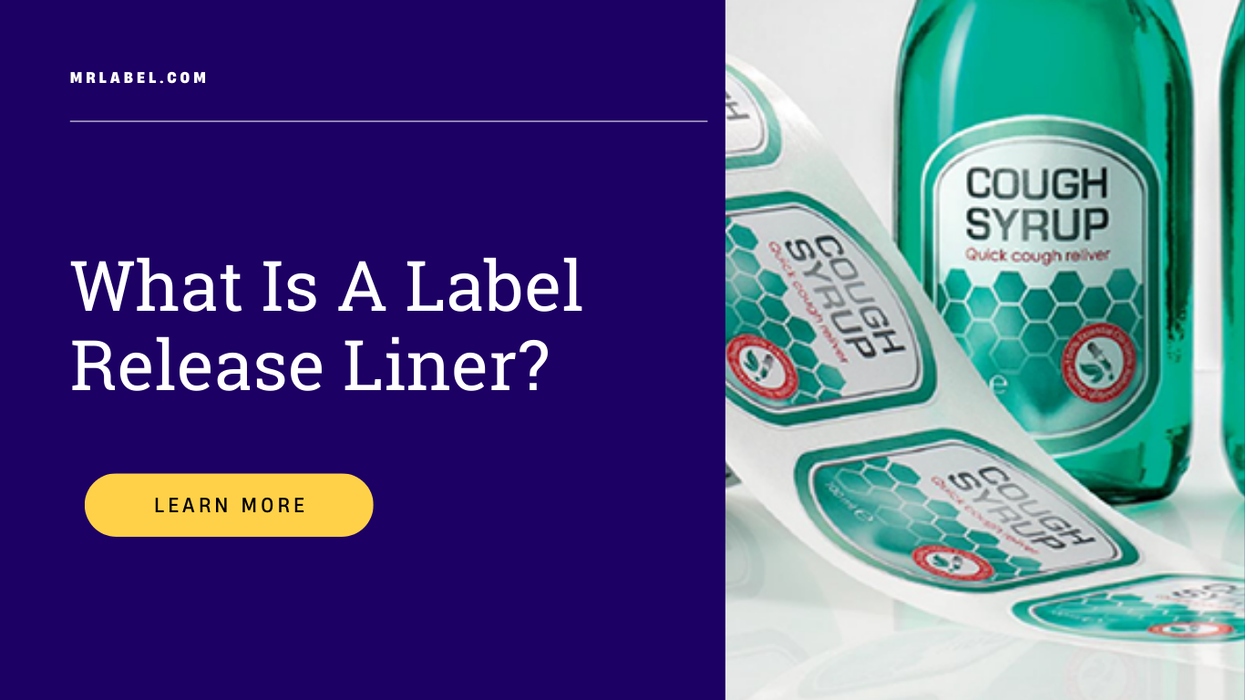
When trying to learn more about different kinds of labels and their uses, many people ask about label release liners. Some might think they’re not vital, but they play an essential role in stick-on labels.
What Is a Release Liner?
Label release liners are like a protective sheet behind the labels, keeping them safe until they’re ready to use. A release liner is a support layer in a roll or sheet of labels that holds onto the sticky label material until it’s needed. Sometimes it’s called a “carrier” or “backing.”
The liner can be made of film, paper, poly-coated paper, or other materials like metalized papers or films. These liners are often coated with silicone, which helps the label material easily release when it’s time to be used.
Think of the thin sheet of paper at the back of stickers—that’s a release liner, and labels have this liner for the same purpose of not letting the adhesive stick to any surface until you want it there.
The Different Types of Release Liners
There are two main types of liners: paper and PET film.
PET (Polyester) Release Liners
PET liners are great for fast-labeling machines because they’re thin and can hold more labels, reducing waste and saving space. They’re also used for labels that need to be applied in wet conditions, such as on beer cans or beverages.
Benefits:
- Smooth and strong
- Perfect for high-speed labeling machines
- Handle moisture well
- Thinner profile allows more labels per roll
Paper Release Liners
Paper liners are more common and cheaper. They have a special coating to stop the label from sticking to the paper, making it easy to peel off when needed. While they’re strong and work well on fast packaging lines, they’re not ideal for wet applications.
Types of paper liners:
- Calendered kraft paper - Smooth white papers commonly used in the United States, good for many labeling machines
- Polykraft - A mix of paper and polypropylene, giving extra strength and stability, often used in wine labeling where moisture is a concern
Factors to Consider When Choosing Release Liner
There are various factors manufacturers must consider when selecting the right release liner:
The Label Applicator
Some applicators work better with certain types of liners, so it’s crucial to choose one that matches your machine. High-speed automated lines often require PET liners for smooth feeding.
Environmental Conditions
If your labels will be used in wet conditions, you’ll need a liner that can handle moisture without tearing. Beverage and refrigerated products often need PET liners.
Clear Labels
If you’re using clear labels, you’ll want a liner that won’t make the labels look cloudy when applied. The right liner ensures optical clarity is maintained.
Nature of the Product
The type of release liner should match the kind of label you’re using:
- Products that may get wet (beverages, refrigerated items) benefit from PET liners
- Disposable products or those not needing long-lasting labels can use paper liners
- Wine and beverage bottles often use polykraft for moisture resistance
Why Release Liners Matter
Without a release liner, labels would stick to each other or other surfaces, making them hard to handle. The silicone coating on the liner ensures:
- Clean release without damaging the label
- Consistent adhesive performance
- Smooth feeding through application equipment
- Protection during storage and transport
Conclusion
A label release liner is a protective sheet of material that helps users apply the label where needed without compromising the adhesive. This liner can be made of various materials, and the best option depends on your specific application, equipment, and environmental conditions.
Ready to Start Your Label Project?
Our team of experts is ready to help bring your vision to life.
Request a Quote