
How to Waterproof Stickers: Complete Guide
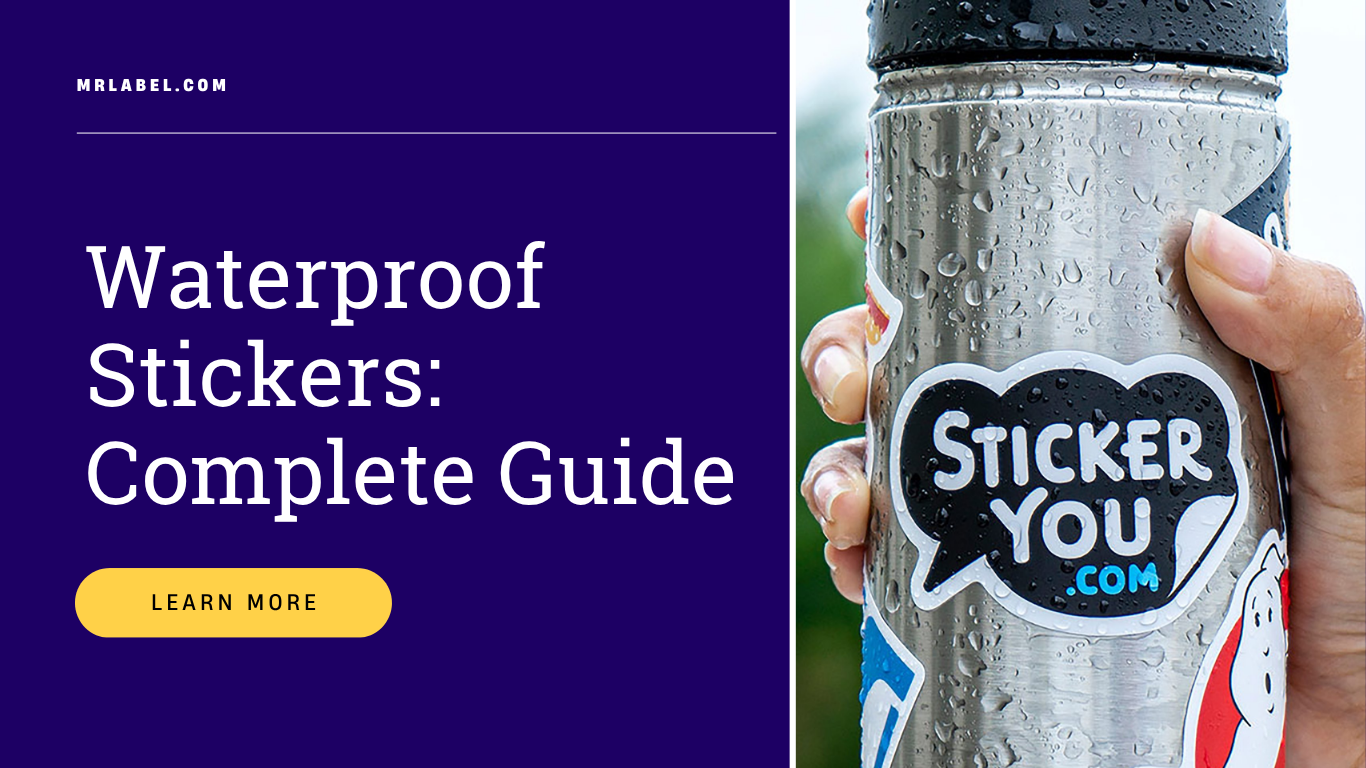
Nobody can deny that stickers are fun and they can be a good way to increase product identity. You can use them on multiple surfaces and they remain in place too. However, one of the primary concerns for long-lasting stickers is the waterproof feature.
If the sticker is not waterproof, the impact of this fun and colorful addition to the label will become a menace. While stickers can play a role in expressing personality, building brands, or decorating everything from laptops to water bottles, they need to be a waterproof piece on the product.
Why Waterproof Stickers?
Waterproofing is essential if you want the product label sticker to remain vibrant and good-looking. For any outdoor product or one that is used for traveling, waterproof stickers are the best way to go.
Without waterproofing, stickers can peel off easily and fade, or smearing can make them look bad. Stickers are made of paper so they can bubble or wrinkle easily or they can lose adhesive grip while leaving a mark on the package.
Step 1: Start with the Right Sticker Material
When designing a sticker, make sure to select the right materials that will keep the colors intact and the look remains long-lasting.
Waterproofing starts with the base and we all know that paper is not waterproof, so you have to select a variety that is waterproof or water-resistant material. Common types of water-resistant materials include:
- Vinyl - Naturally water-resistant, durable, and flexible. It’s the most popular choice for professional-quality waterproof stickers.
- Polyester - Another water-resistant option, often used in industrial settings or high-temperature environments.
- Waterproof printable paper - Special papers available for small-scale or home printing.
Ensure the label specifically says waterproof, not just water-resistant.
Step 2: Choose the Right Printing Method
Even if you have the best base, a poor printing method can destroy the look.
Inkjet Printers: If you’re using an inkjet printer, you’ll need to use waterproof ink and waterproof-compatible sticker paper. Allow time for the ink to dry thoroughly before you begin stacking the labels and seal the design with a protective coating.
Laser Printers: Toner is vital because it is more water-resistant than inkjet ink. When paired with synthetic or waterproof label paper, laser printing provides strong resistance to moisture. However, laser printing may not deliver the same color vibrancy as inkjet.
Step 3: Apply a Waterproof Seal
No matter which printing method you use, adding a waterproof seal is often essential. The seal will protect both the design and the paper from water damage.
Clear Laminates
You can apply self-adhesive laminating film by simply cutting your printed sticker sheet into manageable sections, then peeling and carefully applying the clear laminate over the entire surface. Smooth it out with a squeegee or credit card to remove bubbles.
Laminating Machines
For manufacturers creating many products at a time, thermal or cold laminating machines are more efficient. Thermal laminators use heat to activate the adhesive, while cold laminators use pressure. Cold laminators are safer for heat-sensitive materials like vinyl.
Brush-On Sealants
For more control, brush-on sealants like Mod Podge or clear epoxy resin can be applied with a brush or sponge. Keep in mind that some brush-on sealants may yellow over time or show brush strokes.
Step 4: Cut and Store Stickers Properly
Once your stickers are printed, sealed, and dry, the next step is cutting them cleanly and storing them safely:
- Use sharp scissors, knives, or a digital cutting machine for precision
- If laminated, cut through both layers carefully
- Store stickers flat to avoid curling
- Keep them in a dry, cool environment
- Use protective sleeves or envelopes if selling or transporting
Step 5: Apply Stickers Correctly
Even the most waterproof sticker can fail if applied incorrectly. Surface preparation and application technique play a major role in longevity:
- Clean the surface thoroughly with rubbing alcohol or soap and water
- Dry the area completely
- Peel the backing carefully without touching the adhesive
- Apply slowly from one edge, smoothing as you go to prevent bubbles
- Press down firmly and allow the adhesive to set for several hours before exposing to water
Avoid applying stickers to wet, dirty, or porous surfaces if you want them to last. Smooth surfaces like plastic, metal, glass, or sealed wood work best.
Conclusion
Waterproofing stickers is not as secondary as some manufacturers think. It’s what separates a fun craft from a functional, long-lasting tool.
Whether you’re creating stickers for personal expression, brand promotion, or product labeling, waterproofing ensures your design stays intact through splashes, spills, and storms.
By starting with the right materials, printing with appropriate inks, and applying protective finishes, you can make your stickers not only beautiful but bulletproof.
Ready to Start Your Label Project?
Our team of experts is ready to help bring your vision to life.
Request a Quote