
How to Make a Food Label (Complete Guide)
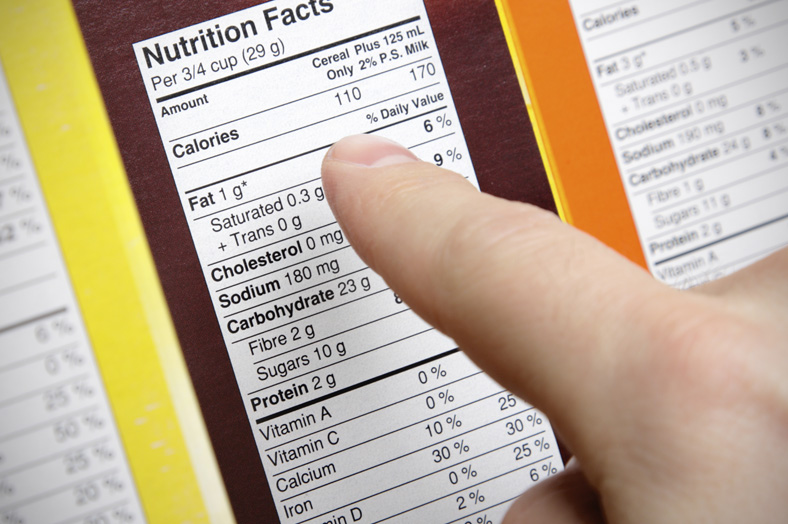
Creating a food label is one of the essential activities in the final phase of product development. It can influence the buying behavior of the consumer. In most cases, it also helps in complying with the legal requirements imposed by FDA.
You can outsource the creation of a food label from designing and labeling experts. But if you believe in DIY or want to create something unique, then here are a few things you must consider.
Choose the Right Tool
The first step in creating the food label is the selection of the right tool. There are multiple design tools available, including Photoshop and Illustrator. But as a newbie, you might find these technical.
To get all the design options and a convenient interface, you can select Canva. It is available as a free tool with advanced features available in the pro version. You can upload your brand name and other design elements according to your requirements with utmost ease.
Arrange the Most Vital Information First
While designing your food labels, you must provide the serving size, calorie count, and disclose the necessary nutrients present in the product.
Rather than dedicating the space to decorative items, it is important you list these aspects first and then go for the aesthetic appeal. Required information typically includes:
- Serving size
- Calories per serving
- Total fat, saturated fat, and trans fat
- Cholesterol and sodium
- Total carbohydrates, fiber, and sugars
- Protein
- Vitamins and minerals
Choose the Label Size
Another essential thing to consider is choosing the right label size. It will depend upon your container or product size. Besides, the type of container will influence the size as well.
Before you start designing, be sure about the size and enter the proper dimensions in the tool, as aligning it after the completion of the design would be a problem.
Make Sure It Is Clear and Readable
Your food label must contain your brand name and all the necessary details. However, you must not compromise on the readability in any way.
- Adjust the font type and size accordingly
- Leave white spaces between the text lines
- Use contrasting colors for text and background
- Ensure the nutrition facts panel is clearly visible
Do Not Forget to Include Your Brand Name
Although there is a lot of necessary information to consider when designing your food label, you cannot miss the brand logo.
Be sure to include a consistent brand logo throughout your product line as it will help in creating a brand image and making your products recognizable on store shelves.
Be Creative
Last but not least, be creative in designing your food labels. The use of color, designs, and fonts can help you make a perfect label for your product.
Consider these creative elements:
- Eye-catching color schemes that match your brand
- Appealing typography that’s still readable
- Images or illustrations of your product
- Unique shapes or die-cuts
- Premium finishes like matte or gloss
Summing Up
Designing your DIY label can be a technical task, but you can use your creative skills to come up with a perfect label. In case you don’t want to design your own label, hiring a professional designer can be the solution.
Remember that food labels must meet FDA requirements, so whether you design your own or work with professionals, compliance is essential.
Ready to Start Your Label Project?
Our team of experts is ready to help bring your vision to life.
Request a Quote