
Global Cannabis Labeling Requirements: Challenges and Solutions
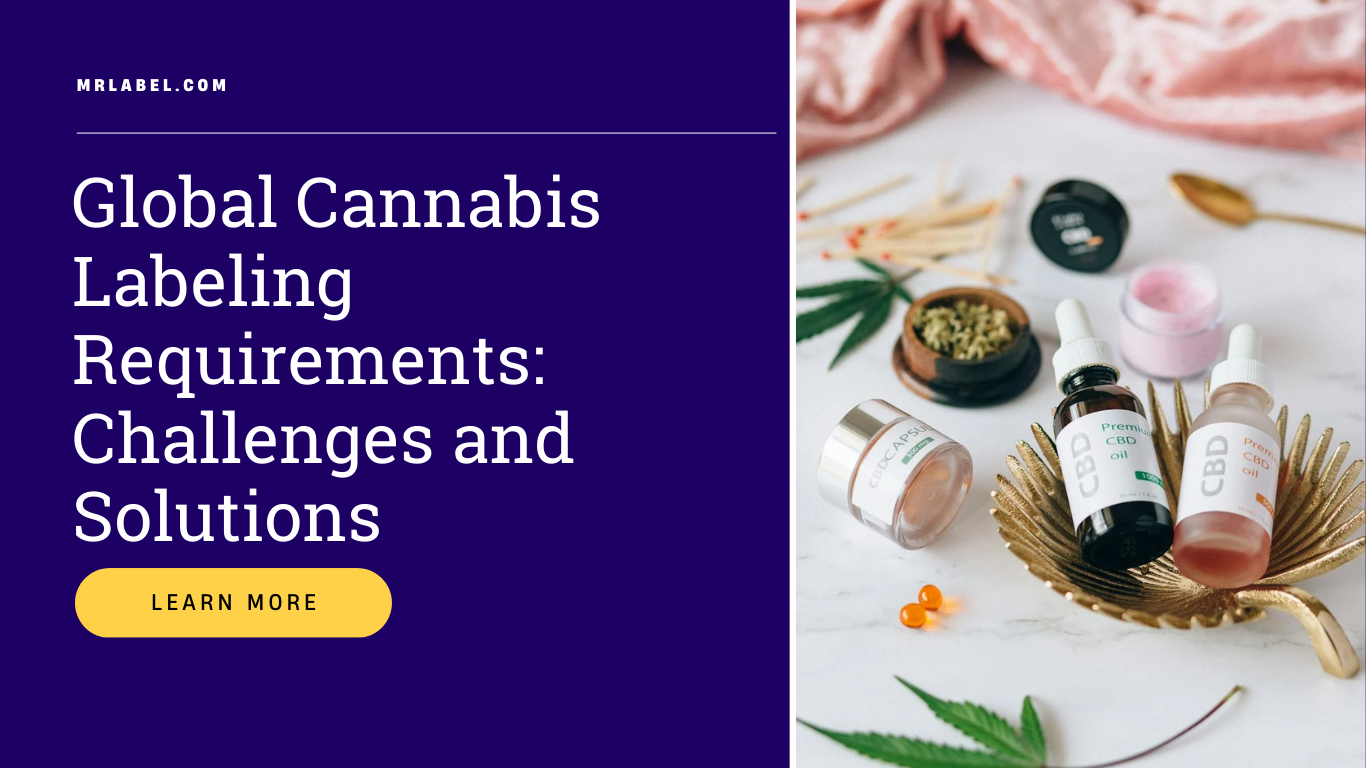
It’s an understatement that cannabis laws are complex, confusing, and ever-evolving.
With varying regulations across countries and regions, cannabis businesses face challenges in keeping their products compliant while appealing to consumers.
Understanding these challenges and exploring effective solutions can help cannabis brands thrive in a competitive and heavily regulated market.
The Challenge of Varying Regulations
One of the most significant hurdles for cannabis businesses is the lack of uniformity in labeling regulations.
Different countries—and even regions within the same country—have unique requirements for cannabis packaging.
For instance:
- In the European Union, requirements differ by member state, with additional considerations for translation and ingredient disclosures.
- In Canada, strict federal guidelines mandate standardized packaging, specific health warnings, and limits on branding elements.
- In the United States, cannabis labeling requirements vary state by state. Labels often must include THC and CBD content, health warnings, and compliance symbols.
For companies exporting cannabis products, these differences create logistical and operational challenges, as labels must be customized for each market.
The Importance of Compliance
Non-compliance with labeling requirements can lead to severe consequences, including product recalls, fines, and damaged brand reputation.
Regulations often dictate:
- Expiration dates and storage recommendations
- Child-resistant packaging
- Warning labels, including health risks and age restrictions
- Precise THC and CBD concentrations
Failing to meet these standards not only risks legal action but can also undermine consumer trust.
Solutions for Streamlining Labeling
To tackle the challenges of global cannabis labeling, businesses can adopt the following strategies:
Invest in Digital Labeling Solutions
Digital printing technologies enable companies to create customizable labels for different markets. QR codes or NFC tags can also provide additional information, such as lab test results, sourcing details, and usage guidelines, without cluttering the physical label.
Centralize Regulatory Knowledge
Having a dedicated compliance team or working with regulatory experts keeps your business updated on changing laws. Investing in software that tracks global cannabis regulations can save time and reduce errors.
Standardize Where Possible
While complete standardization may not be feasible, creating a base label template that complies with the strictest regulations can simplify modifications for specific markets. This approach reduces production costs and time-to-market.
The Role of Clear Communication
Transparent and informative labels do more than meet regulatory requirements; they build consumer trust. Including clear instructions for use, health warnings, and verified lab test results reassures customers of your product’s safety and quality.
Addressing global cannabis labeling requirements demands adaptability, precision, and a proactive approach. By leveraging technology, staying informed, and prioritizing compliance, cannabis brands can overcome these challenges and position themselves for long-term success in an increasingly globalized industry.
The key lies in turning regulatory complexity into an opportunity for building trust and delivering value to consumers.
Ready to Start Your Label Project?
Our team of experts is ready to help bring your vision to life.
Request a Quote