
Finding Label Solutions for Frozen Meat Products
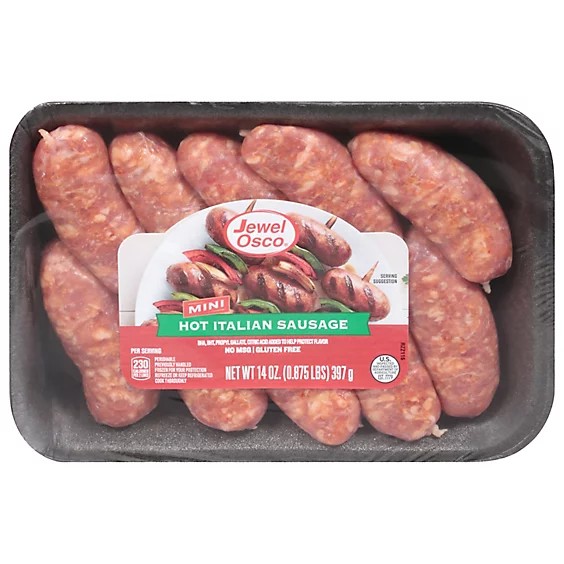
Labeling meat products is never simple, but when you add freezing, thawing, and moisture into the mix, the challenge becomes even greater.
Between the cold storage environment, repeated trips in and out of the freezer, and strict food safety regulations, labels on frozen meat need to do more than stick—they need to perform under pressure.
Why Frozen Meat Labels Are Tricky
Frozen packaging faces a unique set of conditions.
Moisture from condensation can weaken adhesives, cause bubbling, or smudge printed information. Extreme cold can make some labels brittle and prone to peeling. Add in the need for clear barcodes, nutrition facts, and compliance information, and it’s easy to see why labeling frozen meat products requires specialized solutions.
Choosing the Right Adhesive
Adhesives are the backbone of any label, but in frozen applications, they’re critical.
Standard adhesives often fail when exposed to cold temperatures or condensation. For meat products, freezer-grade adhesives are the best option. These are designed to maintain tack even at sub-zero temperatures and to bond securely to packaging materials like plastic film, shrink wrap, or vacuum-sealed bags.
Another consideration is whether the label is applied before or after freezing. If applied to already-frozen packaging, the adhesive must be aggressive enough to bond instantly to a cold, often damp surface.
Durable Materials for Harsh Conditions
The label material itself matters just as much as the adhesive.
Paper labels may be affordable, but they can tear or degrade when exposed to moisture. Synthetic materials such as polypropylene or polyester are better suited for frozen environments. They resist tearing, hold up against moisture, and make sure that critical information like sell-by dates, safe handling instructions, and barcodes remain legible throughout the product’s lifecycle.
Printing Methods That Last
Smudged or faded text isn’t an option in the food industry.
Thermal transfer printing is often preferred for frozen meat labels because it produces crisp, durable text and barcodes that resist moisture and abrasion. Paired with synthetic label materials, thermal transfer creates labels that remain readable from production to point of sale.
Regulatory and Consumer Expectations
Beyond durability, frozen meat labels must meet strict food safety requirements.
They need to clearly display handling instructions, storage temperatures, nutrition information, and tracking data. With growing consumer demand for transparency, many brands are also incorporating QR codes that link to sourcing information or freshness guarantees.
The right label solution makes it possible to balance compliance with brand storytelling.
As retailers push for traceability and consumers look for clearer product information, labels will continue to carry more responsibility. In an industry where the smallest details can influence safety and reputation, frozen meat labels have become an opportunity to lead.
If you’re interested in learning more about our label services and would like us to provide you with a FREE quote, trust the experts at M&R Label to help you!
Ready to Start Your Label Project?
Our team of experts is ready to help bring your vision to life.
Request a Quote