
The Difference Between Glossy, Satin, and Matte Labels
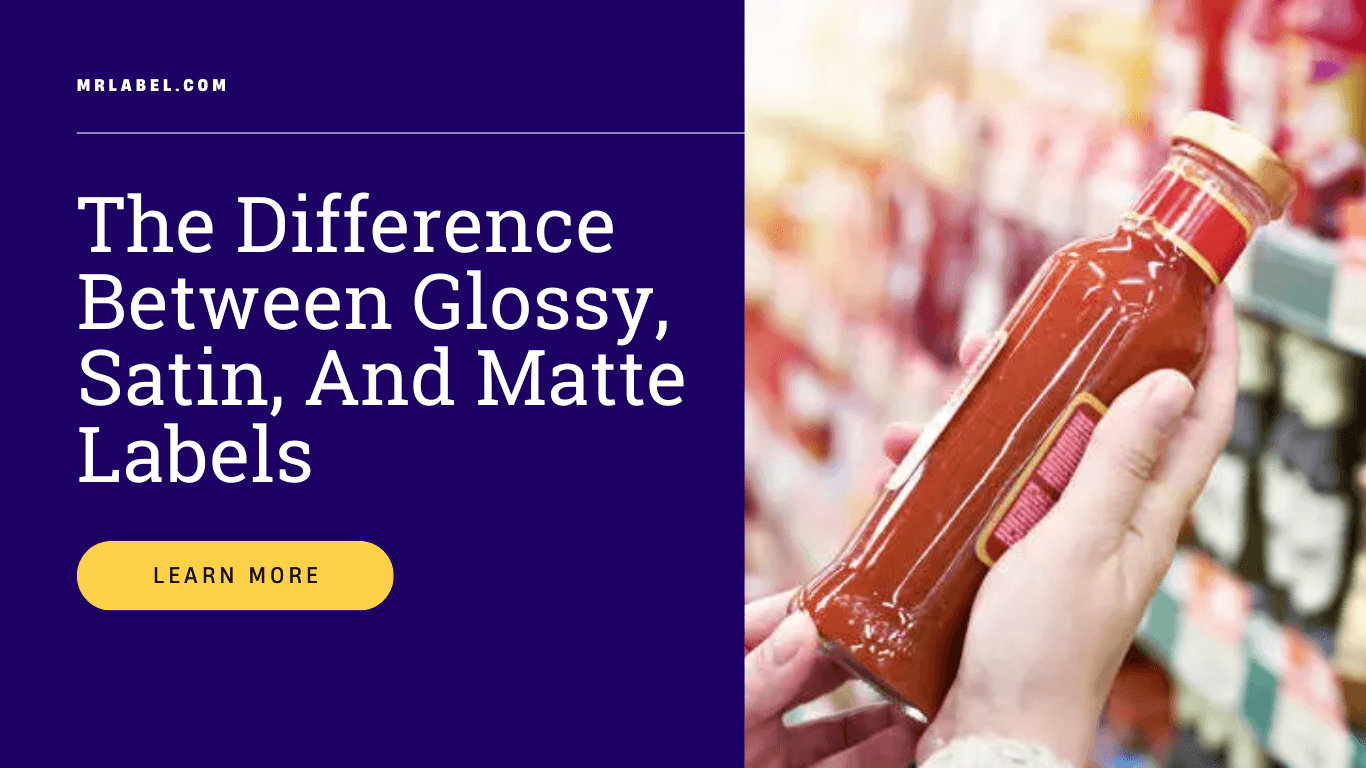
During the initial days of business, many details become essential discussions. One such discussion is the difference between glossy, satin, and matte labels. Labels are an integral part of the business as they disclose product details and drive customer satisfaction.
Which label will be best for your products? Understanding the differences between these finish types will help you decide.
Glossy Finish Labels
Glossy finish labels are just what the name suggests: glossy. These paper labels have a shiny layer on top that gives them a smooth shine. Many glossy labels are waterproof due to that shiny layer, which is why you see many beverages and frozen food items with these kinds of labels.
Benefits of Glossy Labels
- Reflect light - The shine looks attractive and protects the design
- High visibility - Color contrasts and the shiny surface make labels visible from a distance
- Durability - The design stays vibrant as long as it was the day it was printed
- Work well in dim lighting - Popular among brands for retail environments
- Waterproof protection - Common on soda bottles and reusable containers
Glossy labels are particularly beneficial for retail products that need to stand out on shelves.
Matte Labels
A non-reflective or matte label is one that does not have a shiny finish. However, these labels also have a protective plastic layer that provides protection from dampness and color fading.
Benefits of Matte Labels
- Sophisticated appearance - Natural look that never goes out of style
- Durability - Don’t wear out quickly
- Good color quality - Dark and contrasted colors look excellent
- No fingerprint marks - Won’t be marred by handling
- No glare - Easy to read in any lighting condition
You may have seen matte labels on food items and consumer goods, especially brands that market the product’s seriousness or premium quality. Instant coffee jars often feature matte labels for this sophisticated look.
Satin Labels
Satin labels fall between matte and glossy finishes. The name comes from UV varnishes applied to matte labels, giving them a glazed look that’s smoother than matte but less shiny than glossy.
Benefits of Satin Labels
- Middle ground aesthetic - Not too shiny, not too dull
- Writable surface - Easier to write on with pen or marker
- Good color contrasts - Similar to matte with added subtle sheen
- Versatile appearance - Works for many product types
Which Label Is Right for Your Brand?
Labels are largely a brand preference, meaning companies choose between these types based on their aesthetic goals. However, consider:
Competitor Analysis
Look at what your competitors are using so your product can compete effectively in the market.
Product Complement
The label look should complement the product:
- Organic desserts - Matte labels may work better
- Processed foods and canned goods - Glossy labels are common
- Premium/luxury products - Often use matte for sophistication
- Beverages - Frequently use glossy for visibility
Price Consideration
These label finishes are almost the same price, so cost shouldn’t be a deciding factor.
Making Your Choice
| Feature | Glossy | Matte | Satin |
|---|---|---|---|
| Shine | High | None | Subtle |
| Water Resistance | Excellent | Good | Good |
| Color Vibrancy | Highest | Good | Good |
| Fingerprint Resistance | Low | High | Medium |
| Writability | Low | Medium | High |
| Best For | Retail, beverages | Premium, organic | Versatile use |
Conclusion
Every brand uses labels to provide information about the product along with the company logo and specifications. Understanding the difference between glossy, matte, and satin labels helps you make the right choice for your brand and product.
Consider your brand identity, target market, and where your products will be displayed when making your decision.
Ready to Start Your Label Project?
Our team of experts is ready to help bring your vision to life.
Request a Quote