
Branding You Can Feel: Textured Labels
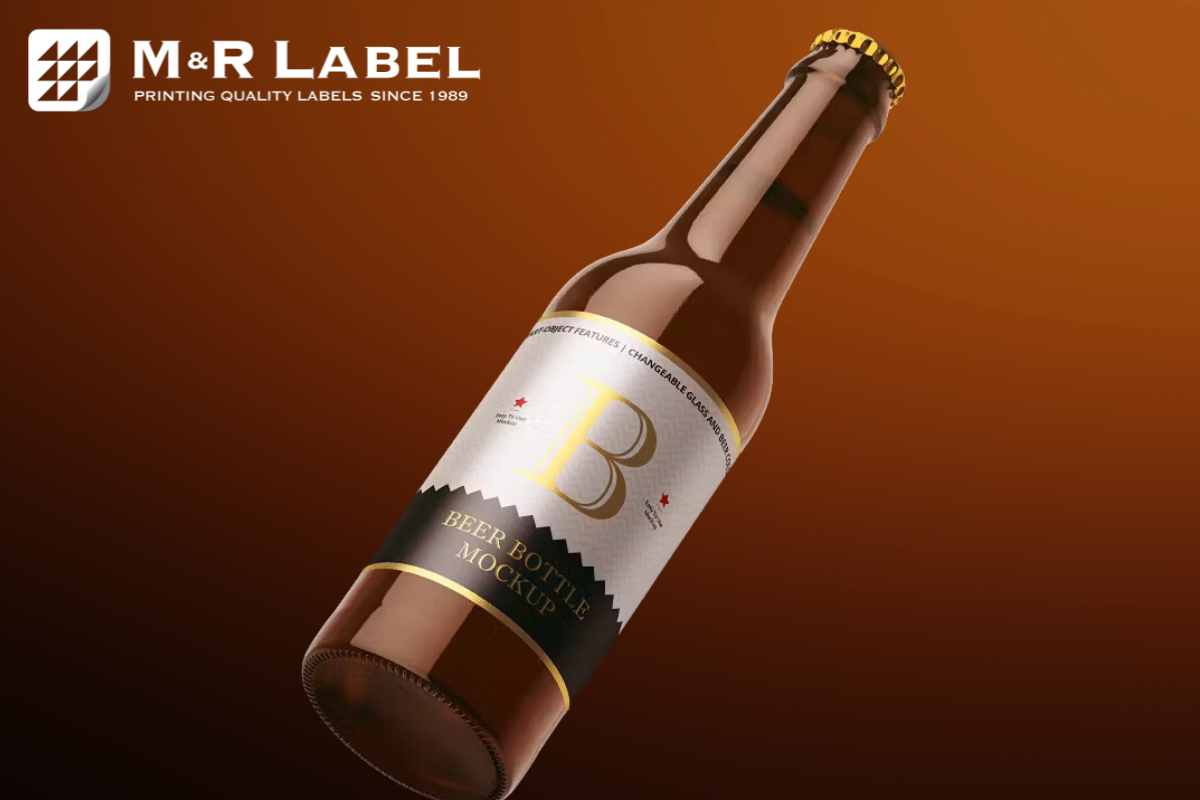
Brands are more than just products today—they are experiences. Globally, businesses are racing to offer the best and most exclusive experiences to their audiences. And the touchpoint starts when the customer interacts with your product.
A custom textured label is your brand’s first shot at making a unique impression. A professional tactile label can improve the look and feel of your products, taking your brand to great heights.
What Are Textured Labels?
Textured labels refer to labels or stickers that have a distinct physical texture on their surface. This texture can vary in feel and appearance and adds an extra dimension beyond just visual design.
Textured labels can be used for:
- Enhancing the tactile experience of a product
- Conveying a premium or high-quality feel
- Providing additional information through touch
Today’s textured labels encompass a range of experiences through technology such as:
- UV coating
- Glitter coating
- Sandpaper finish
- Soft touch coating
- Pearlescent coating
- Foiling
- Embossing
Embossing 101
Embossed labels are a common variety of textured labels. When something is embossed, a design or pattern is raised above the material’s surface.
Embossing adds depth, elegance, and sophistication to labels, business cards, packaging, and other printed materials. It makes designs more visually appealing and helps special information stand out.
The opposite of embossing is “debossing,” where the design is pressed into the material, creating a sunken or recessed effect.
Benefits of Textured Labeling
The touch and feel of a product is as important to consumers as the look. When standing in-store, shoppers interact with packaging and labels. The tactile experience at that moment can sway purchase decisions.
Key Benefits
- Tell a story - Textured labels transform your brand into an experience
- Premium feel - Sophisticated textures feel “expensive”
- Greater functionality - Unique product marketing capabilities
- Inclusivity - Cater to visually impaired customers
Common Applications for Textured Labels
- Business cards and promotional materials
- Journals and stationery items
- Subscription boxes
- High-end technology products
- Wine and beer bottles
- Pharmaceutical products
Tips for Professional Textured Labels
1. Decide on Textured or Embossed Elements
Identify key elements that would benefit from texture: logos, brand names, product names, or specific design elements central to your product’s identity.
2. Collaborate with a Professional Designer
Find a skilled designer experienced in tactile design and label printing.
3. Strike the Right Balance
Ensure textured elements enhance appeal without overwhelming the overall design. Balance tactile experience with refined, high-quality appearance.
4. Maintain Readable Text
Any text on the label, whether raised or not, must remain clear, legible, and easy to read.
5. Select Compatible Materials
Choose label materials compatible with embossing and texturing processes.
6. Test Prototypes
Create prototypes before full rollout. Test with your target audience to gauge response.
7. Collaborate with Experienced Printers
Work with printers experienced in producing textured or embossed labels.
8. Maintain Quality Control
Regularly review and approve proofs during printing to ensure tactile elements meet expectations.
9. Ensure Consistency
If packaging involves multiple elements, make tactile design consistent across all components.
10. Test the Market
Consider smaller market releases to gather feedback before wider launch.
11. Educate Consumers
If tactile elements hold special meaning, guide customers to their significance.
Conclusion
Creating a textured label is a collaborative effort requiring expertise in design, materials, and printing. The right textured label creates an unforgettable branding experience that sets your product apart from competitors.
Ready to Start Your Label Project?
Our team of experts is ready to help bring your vision to life.
Request a Quote