
Achieve Industry Compliance with Regulatory Labels
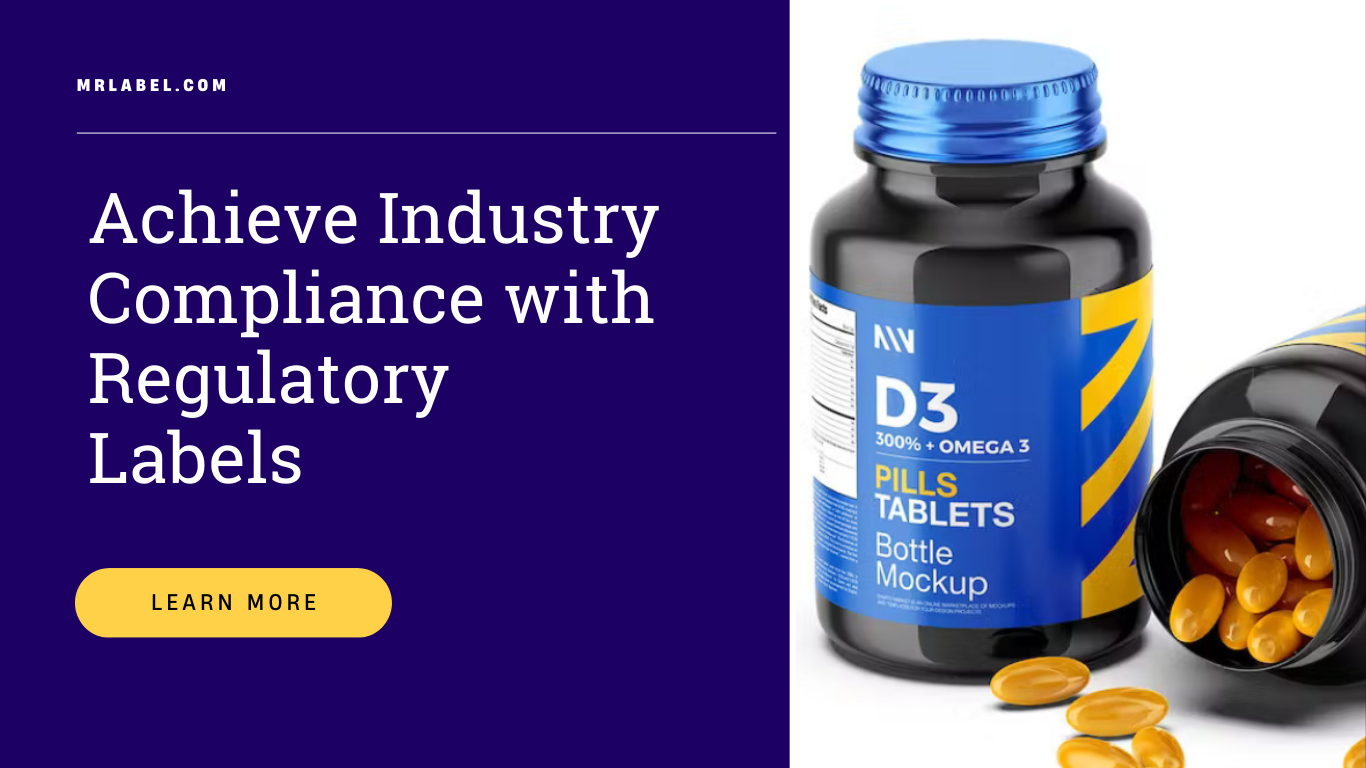
Custom labels are a valuable asset and first impression for brands when marketing their products to consumers. But labels are about more than the aesthetics. If your business is in an industry like Food & Beverage, Cosmetics, Pharmaceuticals, and so forth, then your labels need to be industry compliant at all times—they must display the necessary, accurate, and latest information about the item.
What Does Industry Compliance Mean?
Industry compliance for regulatory labels means that your custom product labels comply with the guidelines set by the authorities. These can be regulatory guidelines, industry standards, or government mandates.
These standards safeguard consumers—ensuring they have adequate information about the products they are consuming. Standard labeling also maintains industry transparency, as all companies must include information on their packaging.
Why is Regulatory Compliance Important?
There are several critical reasons why regulations matter for businesses:
- Brand Reputation - Companies that disregard regulations do not seem trustworthy, affecting their brand reputation.
- Legal Consequences - Businesses face legal consequences and potential financial repercussions if they do not adhere to the regulations.
- Informed Consumers - When consumers can access information on the labels, they can make informed purchase decisions.
- Product Safety - It ensures products are safe to use for consumers. With accurate information on the labels, the product meets the strict quality standards set by the industry.
How Can Regulatory Labels Benefit Your Business?
Regulatory labels are designed to meet the requirements of regulatory authorities. These requirements are specifically curated for several reasons:
Facilitating Transparency
Regulatory labels promote transparency. They offer consumers clear information and usage instructions on the packaging. This fosters trust between companies and their customers, promoting loyalty and advocacy.
Meeting Industry Standards
Compliance ensures that all products with regulatory labels align with industry standards. It enhances the credibility of the brand, as well as the industry.
Providing Accurate Information
For food and beverages, labels must list ingredients, potential allergens, and nutritional information following FDA requirements. This provision allows consumers to make wise and informed buying decisions.
Ensuring Safety
For pharmaceutical and chemical products, regulatory labels carry safety information. It warns and protects users from potential hazards.
Industry Compliance Examples
Food and Beverage Industry – FDA Label Regulations
The Food and Drug Administration (FDA) sets stringent food and beverage label regulations. Brands must include the ingredients, nutritional information, allergens, and other essential details on the labels.
Chemical Industry – EPA Regulations
Chemical product labels are regulated by the EPA (Environmental Protection Agency). Labels must include hazard warnings, proper usage instructions, and necessary safety precautions.
Pharmaceutical Industry
In the pharmaceutical sector, precise and compliant labeling is critical. From dosage instructions to safety information, labels must comply with industry standards, guaranteeing the safety and well-being of users.
Stay Current on Label Compliance
It is essential to stay current on label compliance and keep up with the changing standards, especially for small businesses. Non-compliance can lead to legal and financial consequences that could damage your reputation and possibly shut your doors for good.
Achieving industry compliance with regulatory labels is non-negotiable in today’s climate. From FDA label regulations in the food and beverage industry to EPA regulations in the chemical sector, ensuring your custom labels meet the highest standards protects your business and your customers.
Ready to Start Your Label Project?
Our team of experts is ready to help bring your vision to life.
Request a Quote